Closing the literacy gap: Why every child deserves to fall in love with reading
There was a moment during our Mind the Gap panel event that perfectly captured why children’s literacy matters.
Graham, a One-to-one Reading Programme volunteer, told us about two boys he was reading with who had absolutely no interest in reading. The last thing he wanted to do was force it. So instead, he tried something different: a simple game using a dictionary.
Before long, the boys were racing out of class each week, shouting, “I’ve got the dictionary! I’ve got the dictionary!”
Graham talked about the joy of watching them laugh, play, learn and – almost without realising it – read.
It’s a small story, but it speaks to something much bigger because right now, across the UK, thousands of children still struggle with reading. They’re waiting for the moment when their reading ability starts to come together, their confidence grows, and new possibilities begin to open up.
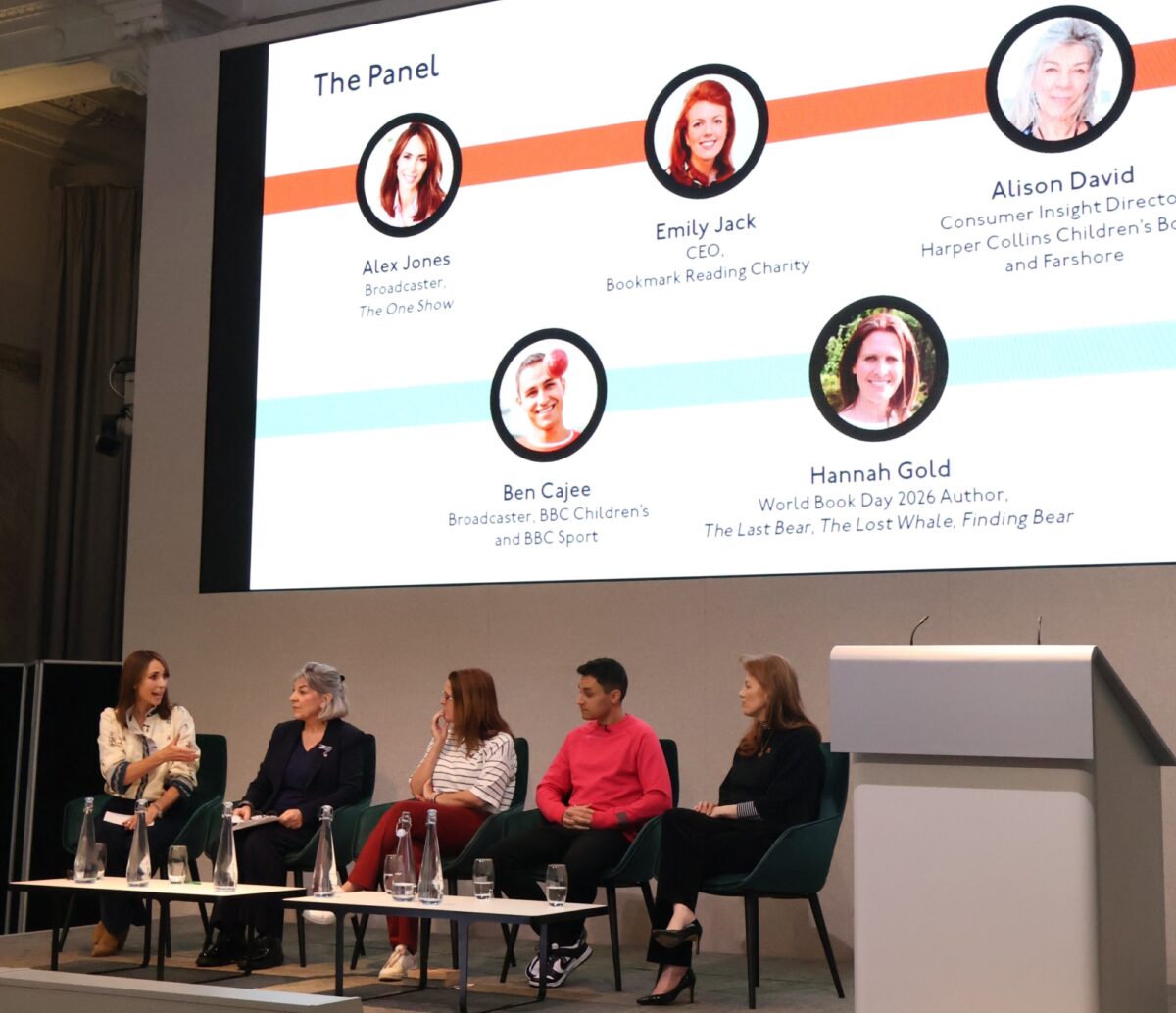
We kicked off this year, launching our Mind the Gap campaign in support of the National Year of Reading and held a panel event that brought together voices from education, publishing, broadcasting and children’s literature to explore one urgent question… how do we close the literacy gap?
Here are five insights from the discussion – and why they matter for every child’s future.
1. The UK literacy crisis is bigger than we think
When most people think about children struggling to read, they often imagine it as a small or isolated issue. The reality is far more serious.
Findings from our Mind the Gap national survey revealed a major disconnect between public perception and the true scale of the problem:
- One in four children leave primary school unable to read well
- 59% of UK adults are unaware of this reality
- Almost all adults agree children’s literacy is important – yet many do not realise how severe the problem is.
And for children growing up in disadvantaged communities, the consequences are even more stark.
As our CEO, Emily Jack, explained: “out of that one in four children who leave primary school unable to read well, only one in ten in disadvantaged communities will go on to get English and maths GCSE.”
Behind these figures are real children whose confidence, opportunities and life chances are shaped by their ability to read.
Emily described the long-term impact clearly: “you just really can’t function… it has a huge effect on self-esteem, confidence and being able to access everyday life.”
Low literacy affects education, employment, wellbeing and social mobility – making it one of the most urgent challenges facing young people in the UK today.
2. Reading isn’t just a skill – it needs to be enjoyed
One of the strongest themes from the panel was the difference between teaching children how to read and helping them develop a love of reading.
Many children associate reading with pressure, assessment and homework. When reading feels like a task, it struggles to compete with digital entertainment and screen time.
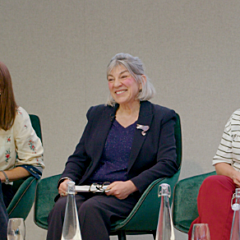
Alison David, HarperCollins Head of Insight, explained: “they don’t want to read because they don’t think it’s cool… they think of it as a subject to learn above all else.”
Yet the evidence is clear: reading for pleasure is transformative. Children who enjoy reading practice more, build stronger skills and succeed across education.
“Children who read for pleasure do better in all subjects, even maths. Literacy and reading for pleasure are the two sides of the same coin - the skill and the will.”
Helping children build both reading ability and motivation is essential to improving reading outcomes for children and narrowing the literacy gap.
3. Early reading and family support shape lifelong habits
A child’s relationship with reading often begins long before they start school.
Insights shared during the panel – including findings from our Mind the Gap national survey – showed that far fewer children are now being read to regularly at home, meaning many start school without positive or confident early reading experiences.
Families face real barriers, including:
- Time pressures and shift work
- Cost-of-living challenges
- Parents lacking confidence in their own reading ability
- Language barriers
- Digital distractions competing for attention
But the panel stressed that reading together remains one of the most powerful ways to build literacy, confidence and emotional connection.
Emily Jack reflected: “people know reading is important, but they don’t always understand how it can change life opportunities.”
Shared reading helps children associate books with comfort, connection and enjoyment – not pressure.
Alison David added: “if there’s pleasure in it, they associate books with pleasure. Otherwise, they associate it just with homework.”
Even when parents aren’t confident readers, simple storytelling, talking about pictures or listening to audiobooks together can have a lasting impact.
4. When reading feels relevant, children feel included
For many children, engagement with reading begins when they see themselves – their interests, identities and experiences – reflected in books.
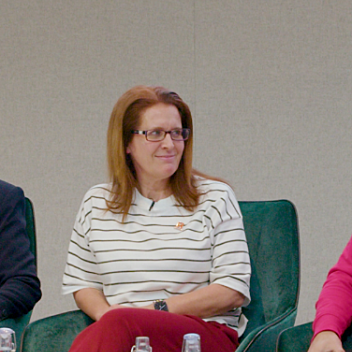
Children’s author and World Book Day 2026 author Hannah Gold described the emotional power of stories:
“The whole point is to make children fall in love with the characters… and give them that idea of possibility and wonder.”
Choice also plays a crucial role. When children feel ownership over what they read, motivation grows.
As Alison David explained: “if they’ve made that choice, they’re invested in that decision.”
The panel encouraged adults not to limit what counts as reading. Graphic novels, non-fiction, audiobooks and books linked to hobbies can all spark engagement and confidence.
Hannah Gold captured this perfectly: “however the market goes, we can’t push it or sway it – children are leading the way. If that’s where they find their biggest joy, that’s amazing because they’re still reading.”
5. Volunteers can change children’s futures
Despite the scale of the challenge, the panel ended with a hopeful and practical message: communities can make a real difference.
One-to-one reading support helps children build confidence, enjoyment and progress – particularly at a time when schools are under increasing pressure.
Emily Jack summed up the impact: “one hour a week really can change a child’s life story.”
Volunteers don’t just support reading skills; they create trust, encouragement and positive experiences with books.
The volunteer who shared the dictionary story described the joy of seeing children discover reading: “we were in tears of laughter… I got such a buzz from that.”
Closing the literacy gap starts with all of us
The Mind the Gap panel made it clear that closing the literacy gap requires collective action – from families, schools, charities, publishers, media organisations and volunteers.
When a child learns to read and to love reading, confidence grows, opportunities open, and life stories begin to change.
As Emily Jack reflected: “we want a world where Bookmark doesn’t need to exist… where every child can read.”
Watch the teaser video highlights.

Help close the literacy gap
The National Year of Reading 2026 is our moment to change the story for thousands of children falling behind. Become a reading volunteer and help a child build confidence, discover the joy of reading and close the gap before it widens.


