6 reasons students should become reading mentors
What can 30 minutes a week really do?
Across the UK, too many young people leave school without the literacy skills real life demands.
For many, the challenges with literacy begin early. Limited access to books, fewer reading experiences at home and longstanding inequalities, mean that some children start secondary school already behind.
This is where our reading mentors come in. Not only does it give students aged 14 – 18 the chance to build skills for their own future, but it also means they can inspire the next generation to grow and find joy in reading.
What are reading mentors?
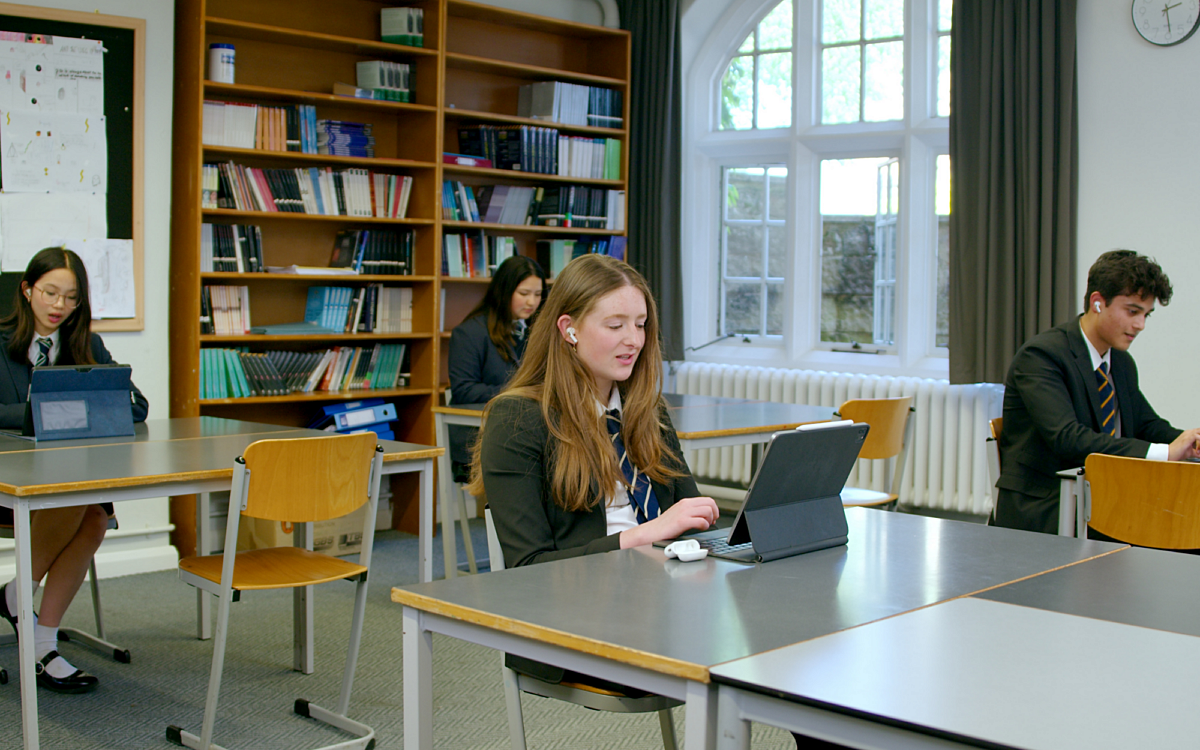
Reading Mentors are students who deliver one 30-minute session each week with a child aged 5 – 11, either online or in person.
Sevenoaks School is one of our partner schools where the programme sits at the heart of their enrichment offer. Students fit sessions into their school day, building connections while developing valuable skills.

Why become a reading mentor?
For many, it starts with wanting to make a difference.
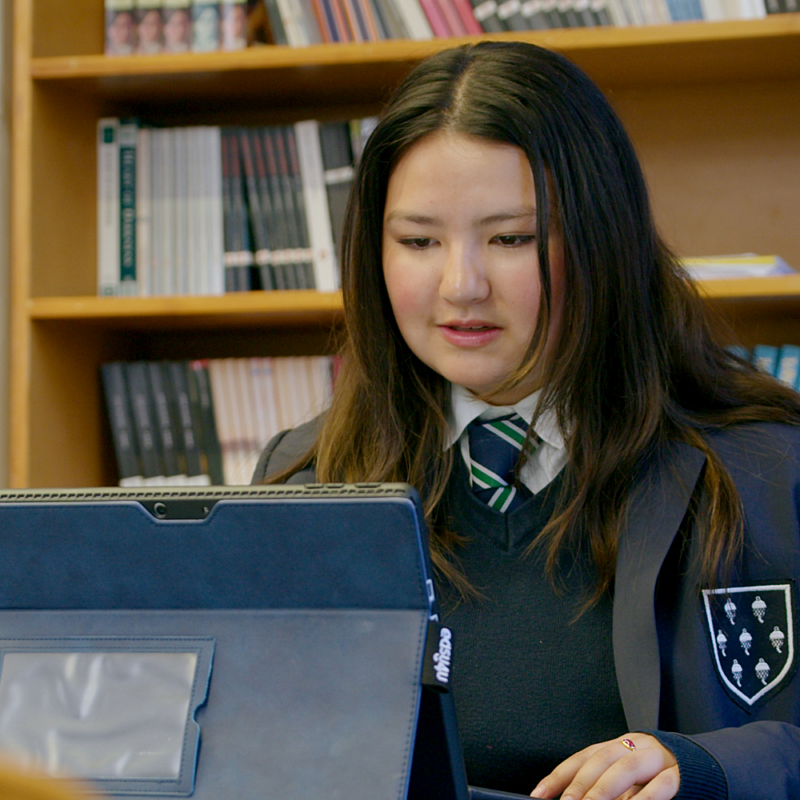
Adyan explains: ‘I really wanted to have a direct impact on a child by helping them read…it’s not just about academics, it’s also helping them articulate themselves better.’
And along the way, mentors develop valuable skills and a sense of leadership and responsibility, while boosting their personal development and wellbeing.
It’s a really fun programme where you get to build a connection with the child week in, week out - and that’s very rewarding.
What do students gain from volunteering?
1. Develops essential soft skills
Students practice communication, empathy, active listening and patience – qualities needed in every future learning or work environment.
It really has helped me communicate more effectively with them and it's really something that I would bring to life outside of school and in the future.

2. Builds leadership and real responsibility
For schools looking for leadership opportunities for students, mentoring provides a clear solution.
Showing up consistently and guiding a younger child builds leadership and responsibility in a meaningful, real‑world, practical way.
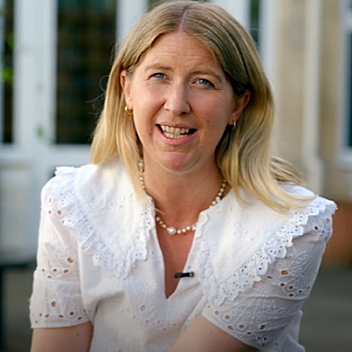
Kathy, Director of Service and Partnerships at Sevenoaks Schools, explains their students develop: ‘a real sense of responsibility… and then pride as a result’.
And because every child is different, you quickly learn to adapt:
Sometimes the child was less confident than the last week and you have to adapt yourself and you have to adapt each session because you get to have these interactive games, you get to create conversation and you get to build a connection with the child, which is I think really important.

3. Strengthens CVs and personal statements
For students thinking ahead, mentoring gives you concrete examples of impact, which can help students stand out on UCAS and job applications.
Being a reading mentor also gives you something genuinely meaningful to talk about in interviews.
Sessions also count towards DofE and IB CAS requirements.
4. Demonstrates time‑management and reliability
Balancing weekly volunteering with school commitments builds employability skills that will benefit students in their future careers.
5. Boosts wellbeing and self-esteem
Mentoring isn’t just about skills – it’s also about how it makes you feel.
Seeing the impact of their support can be transformative for mentors – increasing confidence and a sense of purpose.
It's a good feeling to see the progression that you've helped create.

6. Makes a lasting difference in the community
Reading mentors play a key role in inspiring children to love reading, and creating a ripple effect that goes far beyond one session.
For schools, this also supports wider development goals, particularly around confidence and communication. As Kathy explains:
I'm so glad we found Bookmark. It's practical, it's easy and it's genuinely impactful for our children and the children they work with.

Become a Reading Mentor Partner School
Give your students the chance to develop leadership, empathy and communication skills, while supporting children who need extra help with reading.


