Strategies to support EAL learners with The Bell Foundation
Recently, we were delighted to host a special training event for our partner schools focused on a growing priority: supporting children who use English as an Additional Language (EAL).
To help us explore practical ways to build reading engagement with multilingual learners, we were joined by Karen Warwick, an experienced EAL trainer from The Bell Foundation. The session offered valuable insights and simple, effective strategies that schools can use.
With over one in five pupils in England now identified as EAL learners – and with this number continuing to rise – this training came at an important time for schools looking to strengthen their approach and better support every child’s reading journey.
What is the Bell Foundation?
The Bell Foundation is a charity working to overcome exclusion through language education. They provide training, research and practical tools to help schools meet the needs of children who use EAL.
Their approach is grounded in five key principles of effective EAL teaching. These principles shaped the training session and offer a powerful framework for supporting multilingual learners in the classroom.
Understanding EAL learners in England
Karen began by sharing an overview of the current landscape for EAL learners:
- Over 1.5 million pupils in England use EAL
- Nurseries and primary schools are seeing particularly rapid growth
- Children arrive with a wide range of experiences – some have strong literacy in their home language, others have had disrupted schooling or complex migration journeys
A key message of the session was clear: multilingualism is a strength. Children’s existing languages, cultures and experiences are powerful tools that support both English language development and a love of reading.
The Bell Foundation’s 5 principles for EAL teaching
Karen introduced The Bell Foundation’s five core principles for supporting EAL learners. These can be applied across the curriculum:
- Value home languages: A child’s first language plays an important role in their identity, wellbeing and literacy development
- Provide good quality content: EAL learners thrive from rich, age-appropriate content, alongside the scaffolding they need to access it
- Embed language in meaningful contexts: Language development works best when linked to engaging texts and curriculum learning, building on what children already understand
- Use ongoing assessment: Listening carefully during reading helps identify next steps
- Create an inclusive environment: Welcoming classrooms where languages and cultures are celebrated – and families are welcomed – help children feel that they belong
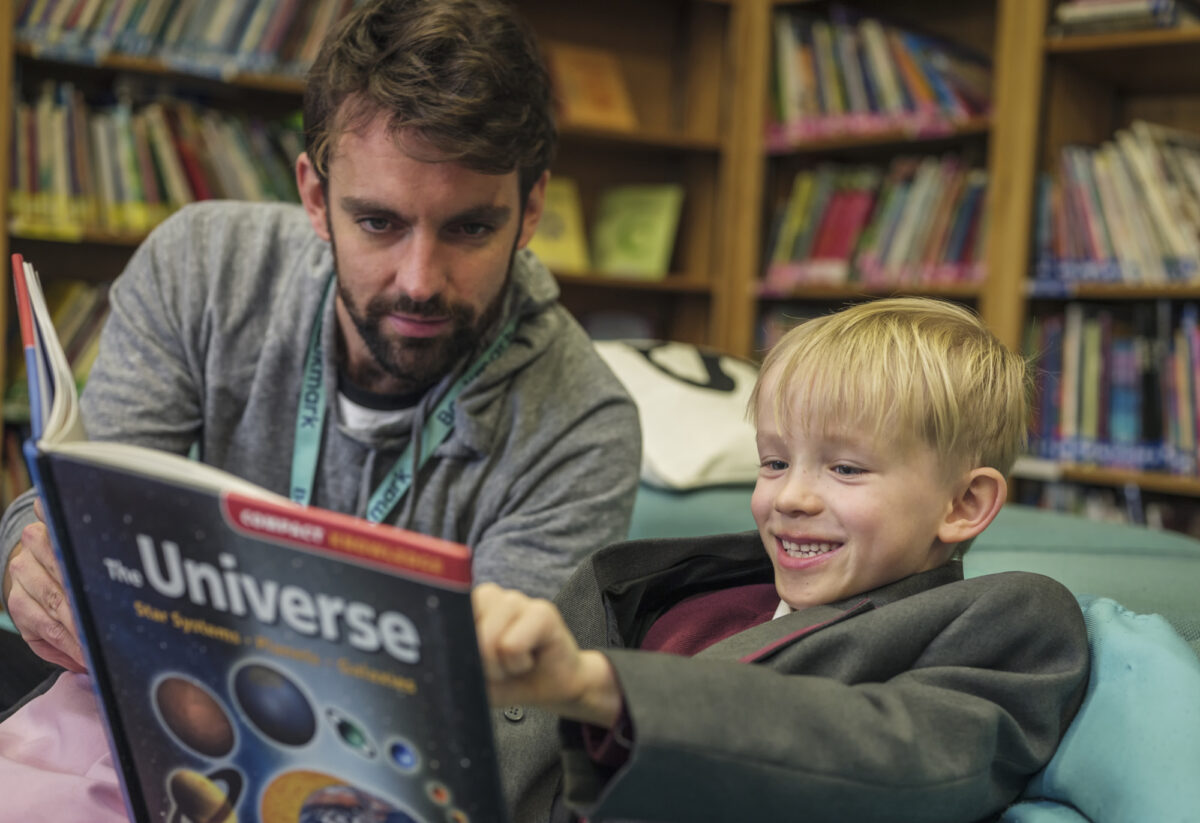
Practical reading strategies to support EAL children
Karen shared a wide range of simple, practical strategies to help multilingual learners develop confidence and enjoyment in reading.
Using oracy to support reading development in EAL learners
Talking is essential for reading development. Give children regular opportunities to:
- Discuss stories
- Join in with repeated phrases
- Hear and practice new sounds
- Use and connect their home language
Using home languages to support reading comprehension
Encouraging children to use their home language can have a powerful impact. This might include:
- Talking about books in their first language
- Using translation tools to share understanding
- Reading dual‑language books
- Listening to stories in their home language
These approaches help build comprehension, confidence and a strong sense of identity.
Using visuals and story sequencing to support EAL reading skills
Visual supports can make a big difference. Using puppets, pictures or props helps children:
- Understand new vocabulary
- Predict what might happen next
- Understand story structure
Karen shared a simple “human sequencing line” activity, a fun and interactive way to bring stories to life.
Why are shared and repeated reading important?
Reading aloud – and reading the same passage or book more than once – helps children to:
- Build familiarity with story language
- Develop vocabulary
- Recognise patterns in texts
- Enjoy reading as a shared, social experience
Engaging families of EAL learners with reading
Working closely with families can strengthen children’s reading development. Schools can:
- Run workshops or coffee mornings
- Share visual resources to use at home
- Build collections of dual‑language books
- Invite parents to read stories in their home languages.
When families feel included and valued, children are more likely to thrive.

Developing skills to support EAL learners
We’d love you to continue exploring these ideas with us. Partner schools can keep the conversation going on 360Learning – sharing questions, reflections and examples from your own school or setting.
If you need support accessing the platform, please contact your School Relationship Manager, who will be happy to help.
Thank you to The Bell Foundation and to everyone who joined the session, contributed so thoughtfully and shared their experiences. We hope the ideas support you in building a love of reading among multilingual learners and give you practical strategies to try in your school.
Most importantly, we hope they help your EAL pupils feel confidence, included and excited by stories – whatever languages they speak.
