How to build a child’s reading confidence
Helping a child build confidence in reading can feel like a big challenge, especially if they already find reading difficult. But reading confidence doesn’t come from getting every word right. It comes from feeling comfortable, supported, and encouraged along the way.
From conversations with volunteers who regularly support young readers, it’s clear that small, thoughtful approaches can make a huge difference. When children feel relaxed and understood, their willingness to try and their reading confidence, grows naturally.
We asked our volunteers how they approach building confidence with their readers. Drawing on their experiences, here are some simple, practical ways to help a child feel more confident in reading and improve their reading ability over time.

Focus on building a relationship
Before focusing on reading skills, it helps to build a relationship. A child who feels at ease is much more likely to engage with reading.
Keeping it simple works best. At the start of her sessions, Nicola asks her reader:
“Tell me one thing about… so for example it could be about yesterday, a sports match they had, a team they support, what they are looking forward to tomorrow.”
This gives children a chance to share something about themselves without feeling overwhelmed. It’s a short, simple approach, but over time it builds trust – a key foundation when helping children with reading confidence.
Bring their interests into reading
One of the most effective ways to improve children’s reading skills is to connect reading to what they already enjoy.
Not every child will immediately say what they like, so asking slightly different questions can help. For example, Sally asks what they would rather be doing or who they’d spend time with, which often leads to more natural answers.
She discovered one reader loved his cat, and by introducing cat-themed reading, the sessions completely changed. Suddenly, reading felt more relevant and enjoyable, and his confidence as a reader began to grow.
Keep it relaxed and enjoyable
Creating a positive reading environment is essential when supporting reluctant readers.
If reading feels like a chore, confidence can quickly drop. But when it feels enjoyable, everything changes. As Josephine says: “Smile a lot, laugh with them, listen when they chat about things. Have fun with them!”
Smiling, laughing and reacting naturally helps children feel at ease. Letting conversation flow alongside reading, rather than sticking rigidly to the text, makes the experience more engaging. When children associate reading with positive emotions, they are far more likely to keep trying and build confidence.
Share the reading experience
Shared reading is a powerful strategy for building reading confidence in children.
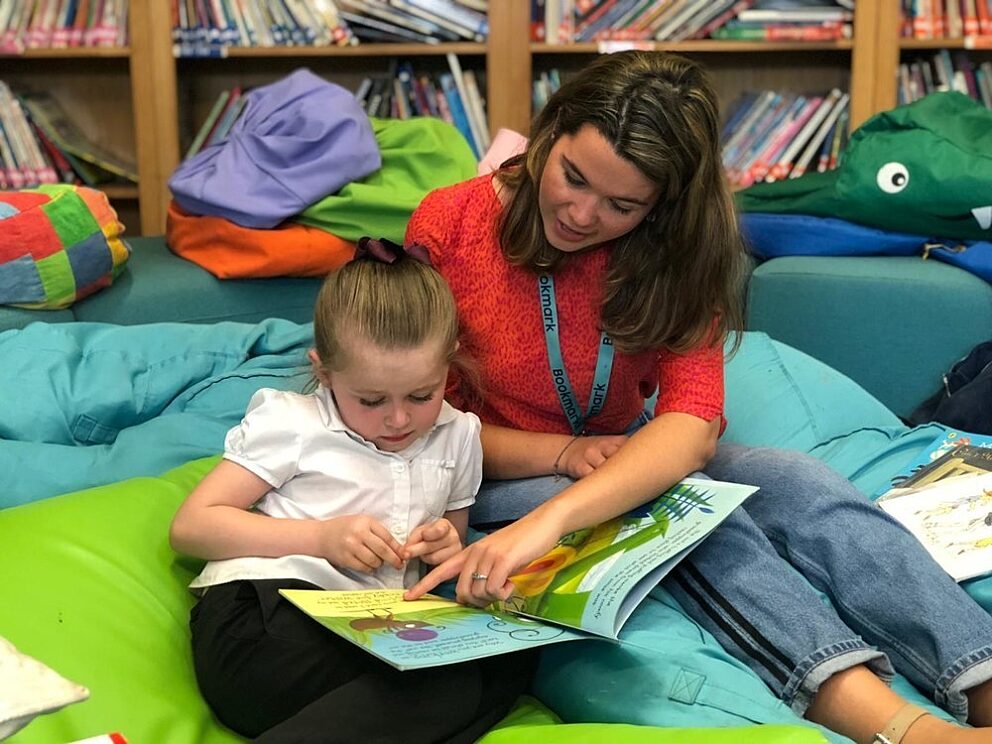
Taking turns reading can reduce pressure, especially for children who feel unsure or anxious. You might read a page, then let them read the next, or step in when a section feels difficult.
Kiran explains: “I try to make the sessions feel like something we do together, rather than something they are doing for me… I use a lot of interactive games and ‘shared reading’… all of these things contribute toward building trust and helping the reader feel comfortable taking risks.”
This approach removes the feeling of being tested and replaces it with teamwork. It also allows children to hear fluent reading modelled, which supports reading development more naturally.
Don’t rush with too many questions
While it’s important to support reading comprehension, asking too many questions too quickly can feel overwhelming.
Elaine shared: “I tend not to fire too many direct questions at them in the early sessions.”
Giving children space to open up at their own pace helps them feel more comfortable. Some children need a little longer to build confidence, and that’s completely normal.
Respecting this helps create a safe, supportive space for reading.
Celebrate progress, especially the small wins
Positive reinforcement plays a huge role in building reading confidence.
Gail describes herself as her “readers’ biggest cheerleader, celebrating all their hard work and achievements.”
Simple, specific praise, like noticing when a child tackles a tricky word or keeps going, can have a powerful impact. Gail shared how encouragement helped one reader go from shy and apprehensive to relaxed and smiling: “He was definitely much more comfortable in subsequent sessions… he went from strength to strength in his reading.”
Recognising effort, not just accuracy, is key to helping struggling readers build confidence.

Build trust through shared experiences
Helping children improve reading skills isn’t just about the book, it’s about the relationship.
Reading should feel like something you are doing together, not something the child is doing for you. Sharing small things about yourself, using phrases like “let’s try this together,” and participating equally all help create a sense of trust.
When children feel supported and understood, they are far more willing to engage, take risks, and develop confidence in reading.
When you focus on building connection, creating a positive reading environment, and celebrating progress, a child’s reading confidence begins to grow. And once that reading confidence is there, children are much more willing to engage and keep going, even when reading feels challenging.

Make your story count
Become a reading volunteer with as little as an hour a week and change a child’s story – and your own.


