How newspapers can inspire reluctant readers to love reading
Children’s newspapers can be a powerful tool for engaging reluctant readers. Packed with real-world stories, eye-catching images and bite-sized articles, they offer children an accessible way to build reading confidence while exploring topics that interest them.
We were delighted to speak to the UK’s leading weekly children’s newspaper, First News, as they shared their top tips for using newspapers to inspire curiosity, critical thinking and a love of reading.
Let’s explore what they shared:
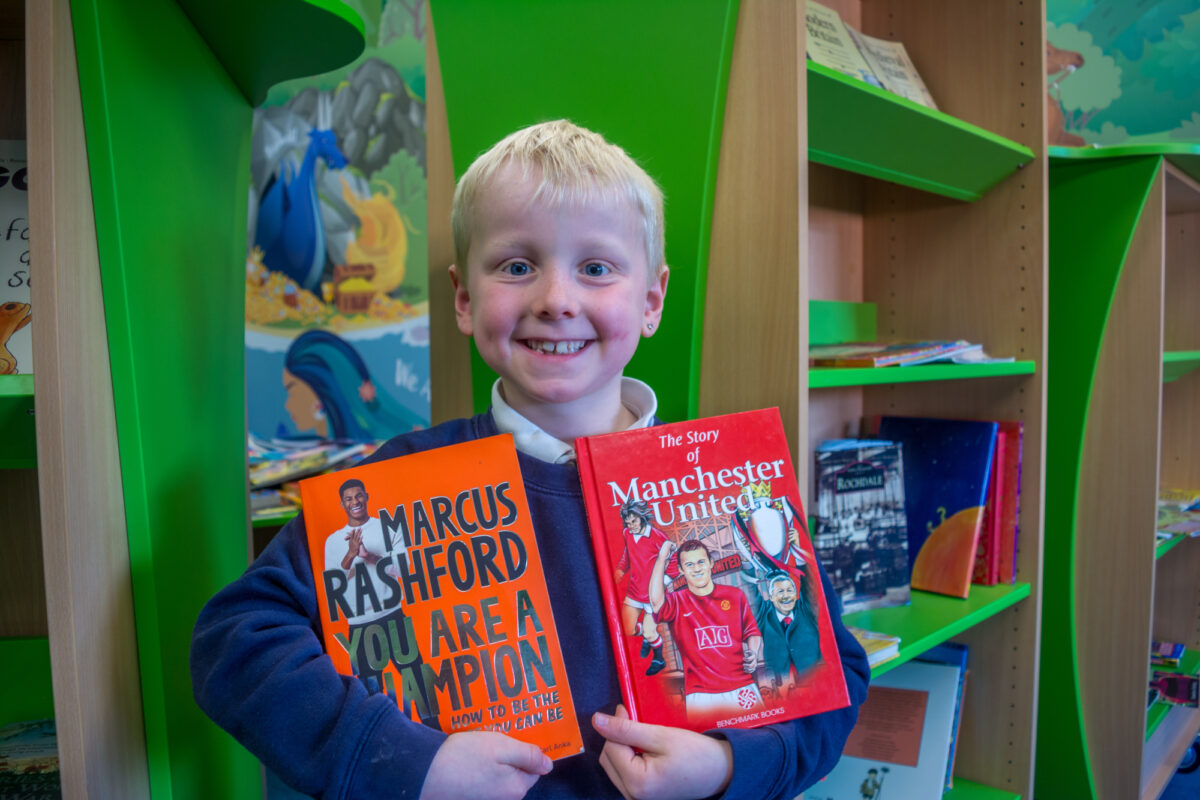
Why non-fiction matters for reluctant readers
Reading for pleasure doesn’t always have to start with a novel.
Many children are naturally curious about the world around them. They want to know how things work, what happened in the past, why events are happening today and what might happen in the future.
Non-fiction books and newspapers tap directly into that curiosity and help children to discover and question real-world events.
For reluctant readers, this can be the spark that transforms reading from a chore into something enjoyable.
How newspapers help children build reading confidence
First News explained why newspapers can be such powerful reading tools for children:
Strong images create an easy entry point
Photos, illustrations and graphics help children understand a story before reading a single word.
For readers who may feel overwhelmed by a page of text, visual storytelling can boost confidence and encourage engagement.
Short articles build confidence
Newspapers break information into manageable chunks. A child can read a headline, a short article or a quick fact box and experience the satisfaction of completing something from beginning to end.
They’re real, relevant and current
Children are often more motivated to read when the content feels connected to their lives and the world around them.
Children’s news stories provide opportunities for discussion, questions and debate, helping children see reading as something meaningful rather than simply another school task.
Variety helps children discover new interests
A single newspaper offers a chance to explore a variety of topics like sport, animals, space, technology, entertainment, science and world events.
That gives children the chance to discover topics they genuinely care about, creating pathways into further reading and learning.
It encourages independent and critical thinking
Children learn that it’s okay to form their own opinions. Reading the news teaches them to question:
- Is this true?
- Who is telling the story?
- What evidence is there?
- What do I think?
These are valuable media literacy and critical thinking skills that will benefit them far beyond the classroom.
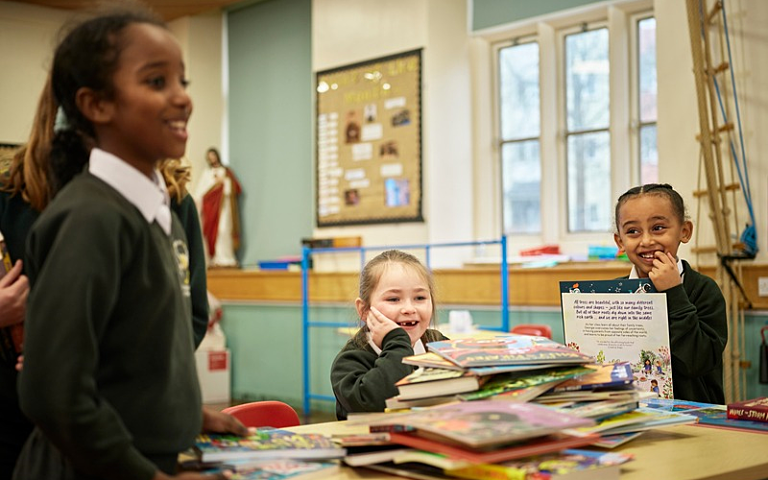
Six ways to use newspaper articles during reading sessions
First News also shared simple ways that families, volunteers and carers can bring news content into reading sessions.
Ask children what they notice before reading. Looking at images helps children make predictions about the story and provides valuable context. This can be especially useful for reluctant readers who may feel intimidated by large amounts of text.
Read the headline together and ask what the article might be about. Making predictions encourages engagement and gives children a reason to keep reading.
Take turns reading sections of the article aloud. Children may feel less pressure when the responsibility for reading is shared, allowing them to focus on understanding the content rather than worrying about reading every word perfectly.
One of the best ways to encourage reading for pleasure is to give children ownership over what they read. Newspapers cover a wide range of topics, from sport and animals to science, technology and entertainment. Allowing children to choose articles that match their interests can increase motivation and make reading feel more enjoyable.
After reading, ask:
- What are two interesting things you learned?
- What's one thing you'd like to know more about?
This encourages reflection, develops critical thinking skills and shows children that reading is about exploring ideas, not simply finding the right answers.
Take time to talk about the story and share your thoughts. Ask questions such as "What surprised you?" or "What do you think about this?". Discussing news articles helps children develop their own opinions, strengthens communication skills and demonstrates that reading can open the door to meaningful conversations about the world around them.
This non-fiction November, why not try a newspaper article, share a fascinating fact, or pick up a non-fiction book together? You never know where one question, one story or one surprising fact might lead.
Looking for more ways to support a child’s reading journey? Find out how our One-to-one Reading Programme helps children build the confidence to read for pleasure through the support of trained reading volunteers.


