How to engage reluctant readers: practical strategies to build reading confidence
When a child seems uninterested in reading, it’s easy to assume they simply don’t like books. In reality, most children aren’t avoiding reading because they don’t want to succeed. More often, they’re lacking confidence, struggling to find stories that interest them, or associating reading with difficulty rather than enjoyment.
These children are often described as reluctant readers.
The good news is that small changes can make a difference. Whether you’re a parent, teacher, or reading volunteer, using the right reluctant reader strategies can help children build confidence and discover the joy of reading.
Sarah, a member of our Programme Development team and a former teacher, shares her practical strategies on how to engage reluctant readers and help children discover the joy of reading.
What is a reluctant reader?
A reluctant reader is a child who can read or is learning to read but chooses not to engage with books regularly. This may be because they:
- Lack confidence in their reading ability
- Have struggled with reading in the past
- Cannot find books that match their interests
- Feel overwhelmed by text-heavy books
- Associate reading with tests or pressure rather than enjoyment
Understanding the reason behind a child’s reluctance is the first step towards helping them become a more confident reader.
1. Build confidence before focusing on skills
Many reluctant readers worry about making mistakes, reading aloud in front of others, or tackling unfamiliar words. They often see themselves as “bad readers”.
One of the most effective strategies for engaging reluctant readers is to build confidence first and focus on reading skills second.
Rather than correcting every error, celebrate effort, persistence and progress, no matter how small. A child who feels successful is more likely to engage with reading again.
How to build a child’s reading confidence
Discover some simple, practical ways to help a child feel more confident in reading.
Read more2. Prioritise your relationship
While phonics and comprehension are important, one of the most powerful tools in encouraging reading is the relationship you build with the child.
Children engage more readily when they feel valued, listened to and encouraged. Showing a genuine interest in a child’s thoughts, achievements and their favourite stories can transform how they feel about reading.
For many struggling readers, having a trusted adult who celebrates their successes can have a lasting impact on their reading motivation.
3. Follow their interests
From hobbies and sports to topics they’re learning about at school, having a conversation with them to find out what they’re interested in, is key to helping them find books that they love. You could ask about: sports, gaming, animals or popular films and TV shows.
The goal is not to find the ‘perfect’ book. It’s to find something that sparks curiosity.
Matching books to a child’s interests is one of the best ways to motivate children to read and develop reading for pleasure habits.
5 ways graphic novels help to foster a love for reading
Dive into our exclusive interview with illustrator Jay Stansfield as we explore how graphic novels inspire a love for reading and creativity in young readers.
Read more4. Choose high interest, low reading level books
Children may lose motivation if books feel too difficult.
High interest low reading (HiLo) level books are designed to provide age-appropriate content while using accessible language and sentence structures. This helps readers enjoy stories that match their interests without becoming discouraged.
These books can help readers: experience success more frequently, improve and develop reading fluency and stay engaged with topics they enjoy.
5. Give children choice
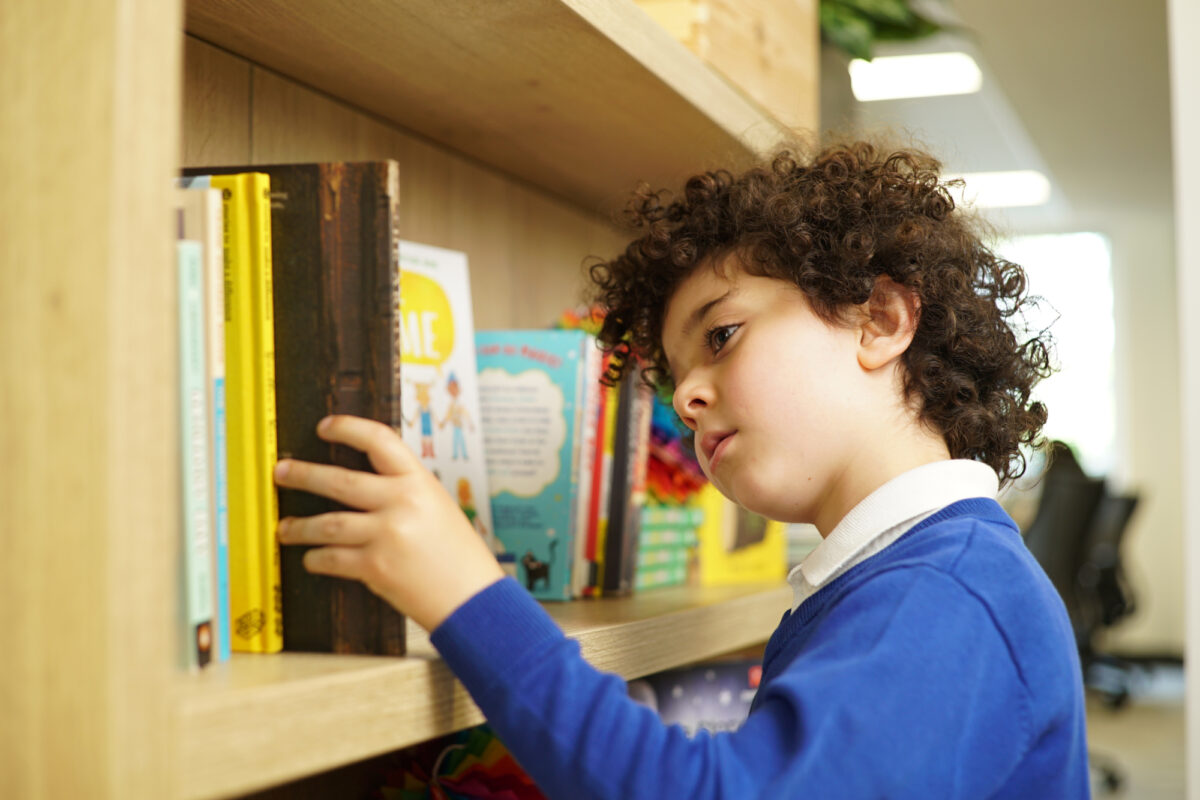
Allowing children to choose what they read can motivate children to read by helping them build ownership over their reading journey.
If a child wants to re-read a favourite book, switch to a different text or abandon a book they aren’t enjoying, giving them that choice can help struggling readers to find something they genuinely enjoy.
It also helps them to develop their reader identity which can develop over time as they get more confident with reading.
Giving children ownership over what they read can be a powerful way to encourage reading and increase engagement.
6. Make reading interactive
Reading sessions don’t have to be limited to reading aloud.
Meaningful conversations and creative activities can help children engage with stories in different ways while reducing pressure.
Interactive reading activities
Try these reading engagement ideas:
- Draw favourite characters
- Create alternative endings
- Play word games
- Discuss illustrations
- Predict what happens next
- Share opinions about characters and events
- Act out scenes from the story
These reading engagement activities help children see reading as enjoyable rather than something they are being tested on.
7. Remember that enjoyment matters most
Research and classroom experience consistently show that children who enjoy reading are more likely to read regularly. The more they read, the stronger their reading skills become.
Sometimes the biggest success isn’t finishing a book or mastering a difficult word. It’s hearing a child say, ‘I enjoyed that story’ or ‘I’d like to read another one.’
Those moments are often the first step towards creating a lifelong reader.
Helping reluctant readers develop a love of reading
Motivating reluctant readers isn’t about forcing children to read more. It’s about creating positive experiences that build confidence, curiosity and enjoyment.
By following a child’s interests, using graphic novels or HiLo books and focusing on connection rather than pressure, you can help transform reading from a challenge into something they genuinely enjoy.
Whether you’re a parent, teacher or reading volunteer, these reluctant reader strategies can help children build reading confidence and develop a lifelong love of books.
